
This Blog was posted by Clearview Dental – Family Dentistry in Milton, On
Orthodontists – We Fix Crooked Teeth
Orthodontics refers to the diagnosis, treatment and prevention of dental and facial irregularities such as crooked teeth, crowding, spacing, protruding upper teeth, overbite, underbite, open bite and crossbite.
Braces and other orthodontic appliances are used to correct these “bad bites” or malocclusions by moving the teeth and jaw into proper alignment. Treatment is designed to help the patient both aesthetically (by improving the smile) and functionally (by improving the bite). Patients who undergo orthodontic treatment often enjoy greater self-confidence with their new smile.
Orthodontic treatment can help patients of all ages, although treatment is most effective as soon as a problem is detected. Children should have an orthodontic exam before they turn 7 to detect and treat any problems early and to ensure optimal results. It is important to treat malocclusions before problems worsen or cause tooth decay, gum disease, surface wearing, stress on the gum and bone, jaw misalignment, headaches or face and neck pain. For more information click here
Invisalign® is a remarkable system of invisible aligners that help straighten teeth comfortably without metal bands, brackets or wires. The pieces are easily removable so you can eat, drink, brush and floss. Best of all, no one will know you’re wearing Invisalign aligners unless you tell them.
Nightguards and splints are devices that are used to treat bruxism. Bruxism is the involuntary grinding of the teeth, typically while sleeping. The devices are custom made, based on impressions of your teeth taken by your dentist. This impression is used to create your device. Patients wear the devices when going to bed, thus significantly reducing, or even completely eliminating grinding through the night.
Habit appliances are devices designed to prevent bad habits, such as finger and thumb sucking. These habits can disturb the normal tooth growing process, and cause teeth to come in crooked. Habit appliances can be both permanent and removable and are only slightly uncomfortable for the first couple of days while you adjust.
Contact sports can put your dental health at great risk. A sports guard is a custom-made tooth guard designed to prevent any sport-related dental injuries, such as losing or chipping a tooth or gum injury. The guard itself is a rigid, resilient plastic mouthguard that is placed over your teeth and gums while playing. The guard would take the forces of a normally traumatic blow, and redistributes the energy throughout the mouth, instead of at the point of impact. With the greatly reduced strain on your teeth, injury is much less likely. 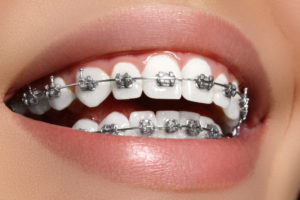
A retainer is a device made of plastic and metal. It is designed to maintain the position of your teeth, or slightly adjust their position. Most people who receive orthodontic treatment use retainers. Retainers are custom-made for each patient and are fully removable by the patient. Your doctor will let you know how long you’ll be using a retainer, as well as when to put it in or out. Retainers can also be used for other tongue and jaw-related conditions. Your dentist will let you know when and if a retainer is necessary, and will instruct you on care and maintenance of the device.

 and more: You could get jostled in a crowd as you walk down the block. A piece of sidewalk sticking up unevenly could trip you. A sudden jolt or braking when you are riding the bus or train could send you crashing to the floor. Loose cables or wires on the floor at the store can easily send you sprawling. Poorly built steps and stairs could catch you out as you go up or down. Whatever the circumstances, you’ll need to get hold of slip and fall attorneys quickly.
 These types of injury are very common, and slip and fall attorneys deal with them all the time. The medical bills for treating them can soon add up though. You don’t want to handle this yourself or settle early, because undetected injuries might show up later. You need the assistance of trained and qualified slip and fall attorneys who deal with these situations every day.
 Tip 2: Using 2 hours parking area rather than 1 hour parking area. Parking your car at a 2 hour parking area instead of 1 hour parking area if you think your appointment is more than an hour. Even your appointment less than an hour you will never know what will happen. You may meet an old friend, a college, a teacher etc…. so you will be delay more time.